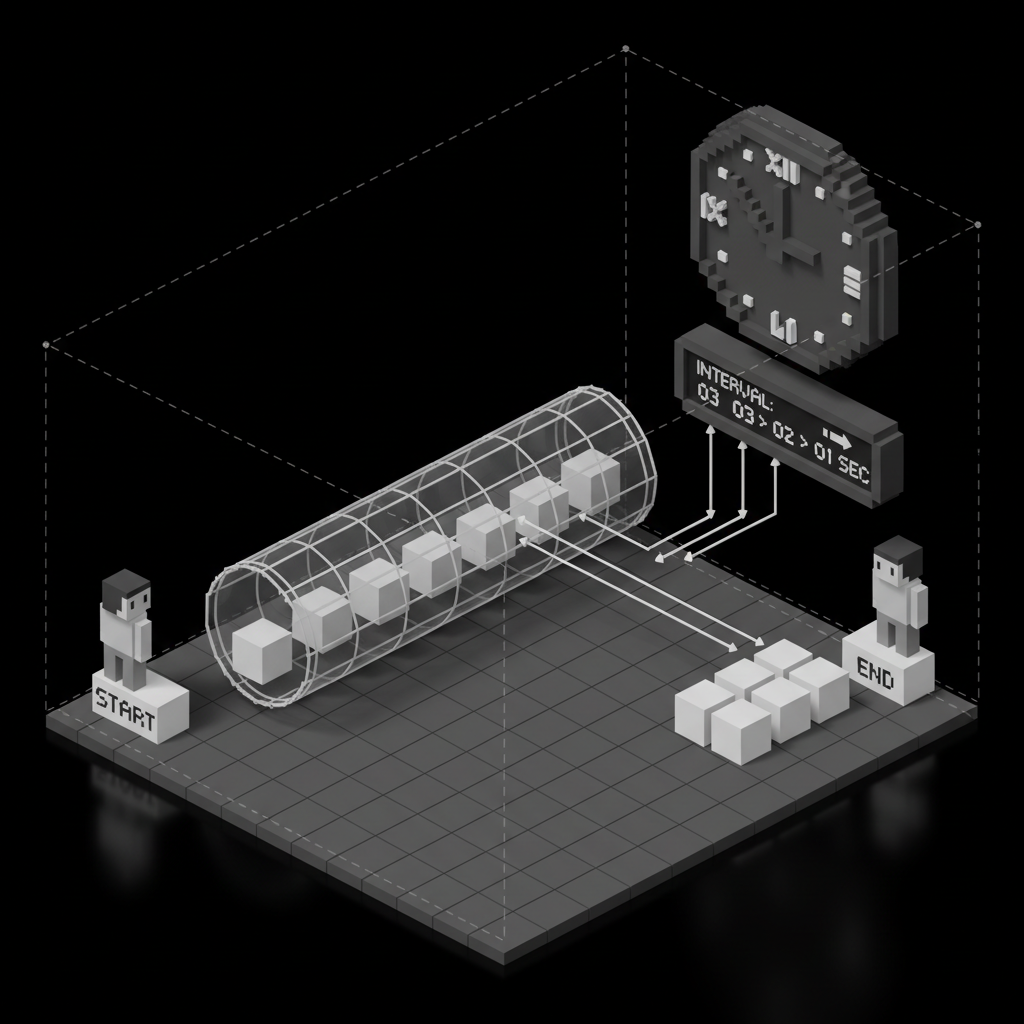
Polygon's PoS chain activated the v2.1.1 hard fork on June 25, trimming average block time from 2.0 seconds to 1.75 seconds (the network's first such reduction since genesis) and raising theoretical throughput approximately 14% to around 3,260 transactions per second, per CoinTelegraph, citing Polygon software engineer Lucca Martins.
The 250-millisecond cut is the first phase of PIP-86, authored by Simon Dosch. A second phase proposes a further reduction to 1.5 seconds. To keep annual POL token emissions near the 1% target after higher block production, checkpoint rewards are set to decrease in parallel, Yellow.com reported.
As a standard precaution around the fork, Bybit suspended POL deposits and withdrawals during the upgrade window.
Faster blocks reduce fee spikes during congestion and clear transaction backlogs more quickly, an advantage Polygon has highlighted for its push into stablecoin payments and institutional settlement. Adam Dossa, Polygon Labs' senior vice president of engineering, told Yellow.com the network is targeting "5,000, 10,000 transactions per second" to compete for high-frequency corporate payment flows.
POL was near $0.089 and flat in the 24 hours following the fork.