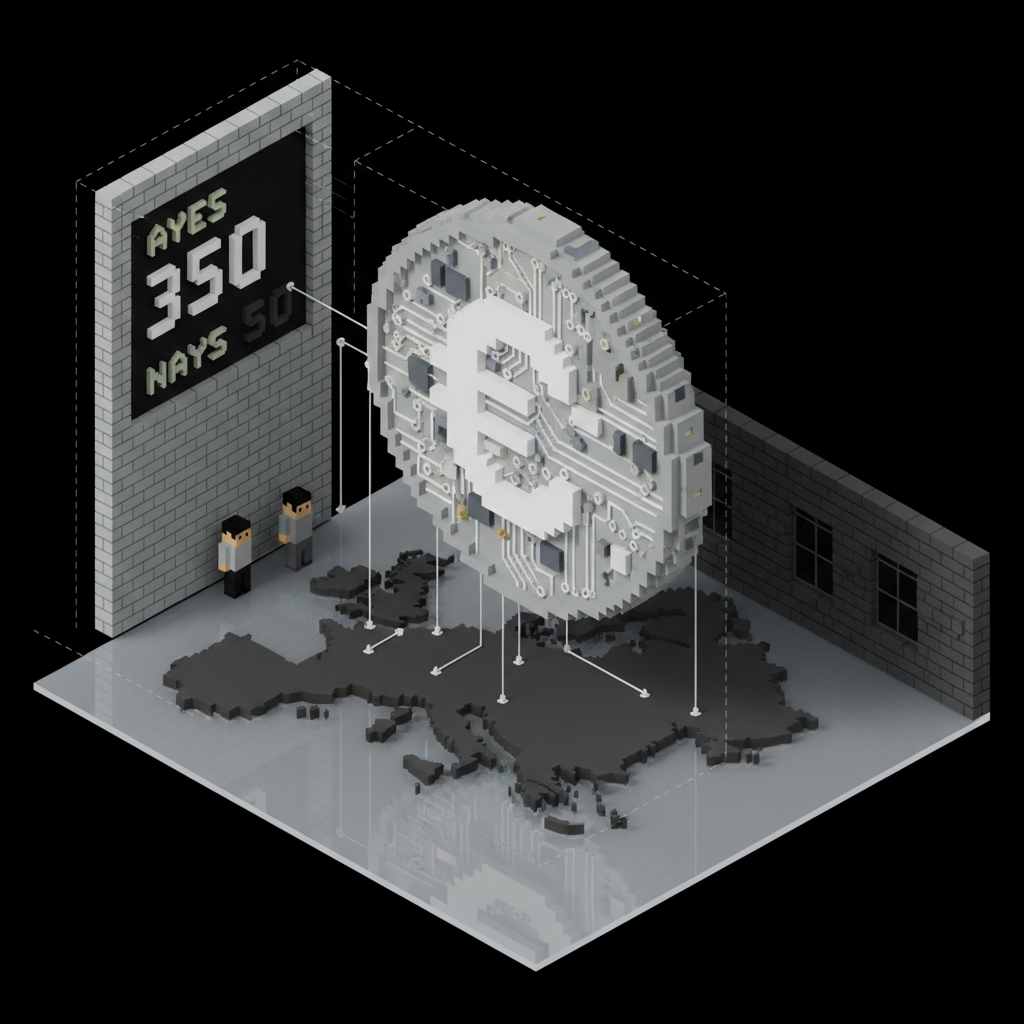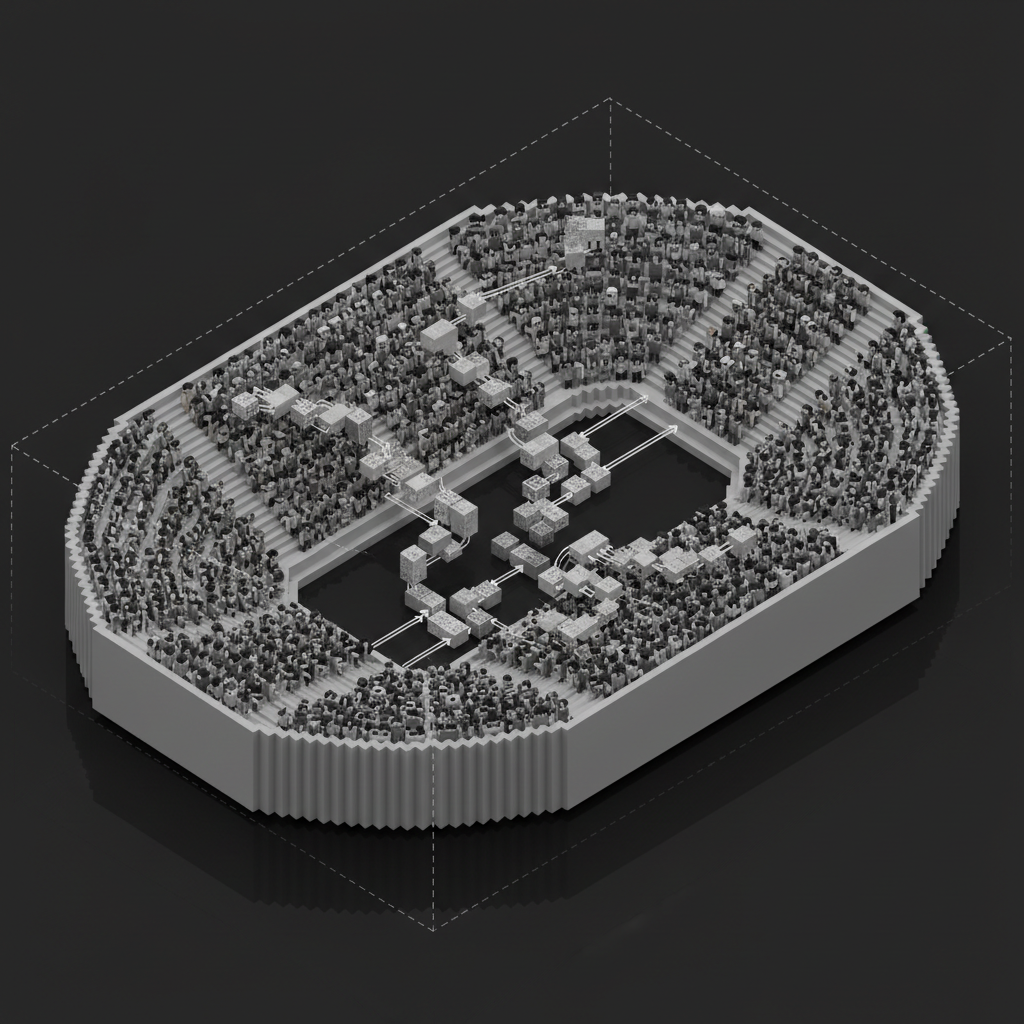
FIFA's custom Avalanche Layer-1 network processed more than 60,000 ticket transactions by June 22, 2026, hitting 24 times its normal activity level as World Cup demand ran through its blockchain ticketing system, Arielle Pennington, SVP of Growth at Avalanche, said. Active wallet addresses grew tenfold over the same period.
Cumulative trading volume for FIFA's two ticket-linked instruments, Rights-to-Buy (RTBs) and Rights-to-Ticket (RTTs), crossed $25 million by mid-June, with RTT transactions accounting for $15 million of that total, per Incrypted and CoinDesk. More than 100,000 RTBs have been issued across the tournament.
The mechanism runs in two stages. An RTB is a priority entitlement: a fan can trade it on the secondary market or redeem it for a specific ticket before general sale opens. Redemption converts it to an RTT, which the holder exchanges for an official match ticket through FIFA's existing ticketing infrastructure. The goal, per CoinDesk, is to pull resale activity into a controlled environment and cut "bots, ticket fraud and runaway secondary-market prices."
The infrastructure runs on a dedicated Avalanche L1 subnet branded the "FIFA blockchain," separate from Avalanche mainnet. It operates through FIFA Collect, built with Ava Labs partner Modex, and is designed to be invisible to most fans. "We want to deliver a Web2 experience, but with blockchain under the hood," Dominic Carbonaro, head of consumer enterprise solutions at Ava Labs, told CoinDesk. "The user shouldn't even know they're using blockchain."
The transaction count shows the subnet handled World Cup load. How many tickets the system kept out of scalpers' hands is a separate question; FIFA has not published that figure.